
In today’s rapidly advancing agricultural landscape, lighting has become a pivotal factor in driving both productivity and sustainability—especially in indoor and greenhouse farming. As we step into 2025, the debate between traditional grow lighting systems like High-Pressure Sodium (HPS) and the newer, high-efficiency LED grow lights has intensified. Growers are under increasing pressure to reduce energy consumption, boost crop yields, and adopt climate-friendly practices—all of which hinge on the right lighting choices.
Traditional systems have long been the backbone of controlled environment agriculture, known for their reliability and affordability. However, they come with high energy demands and excessive heat output. In contrast, LED grow lights have emerged as smart, adaptable solutions offering targeted spectrums, low heat emissions, and significantly lower power usage.
As energy costs rise and sustainability standards tighten, modern growers are reevaluating their setups. The 2025 light battle isn’t just about brightness—it’s about efficiency, control, and long-term value. In this article, we explore which lighting system truly leads the way in today’s evolving agri-tech era and why the future may be leaning toward smarter, greener solutions.
Understanding the Contenders
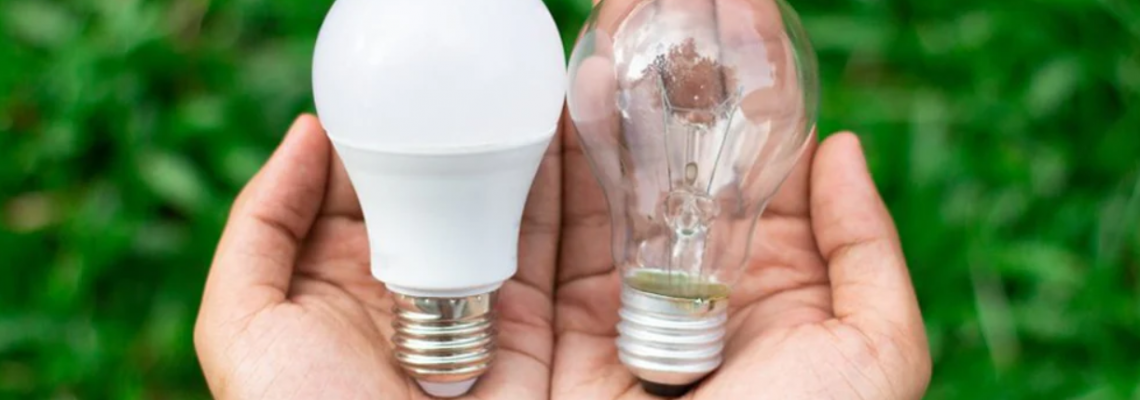
Traditional Grow Lights: High-pressure sodium (HPS), Metal Halide (MH), and fluorescent lights have long been the go-to options for indoor gardening. They provide intense light and are relatively affordable upfront. However, they consume significant energy, emit excessive heat, and have limited control over the light spectrum.
LED Grow Lights: Modern LED (Light Emitting Diode) systems are engineered to deliver specific light wavelengths ideal for each stage of plant growth. They offer full-spectrum lighting, longer lifespan, lower heat output, and are often compatible with smart farming technologies.
Energy Efficiency & Cost Savings
One of the most defining advantages of LED grow lights is their energy efficiency. LEDs consume up to 70% less energy than traditional lights, significantly reducing operational costs for farmers. This not only makes LEDs more sustainable but also more cost-effective over time.
In contrast, traditional systems such as HPS and MH lamps require more electricity and often lead to increased HVAC usage due to their higher heat output. By 2025, rising energy prices and stricter environmental regulations have made energy-efficient LEDs the preferred choice for commercial operations.
Light Spectrum and Customization
Plants require specific wavelengths of light to grow, flower, and fruit. Traditional lights emit a fixed spectrum that may not meet the plant's needs throughout its lifecycle. LEDs, however, offer customizable light spectrums. This means growers can fine-tune the lighting for germination, vegetative growth, and flowering phases.
In 2025, full-spectrum and tunable LED systems allow growers to experiment with "light recipes" to optimize growth, taste, and nutrient content, a feature unavailable in older lighting systems.
Heat Management and Space Optimization
Traditional grow lights emit a considerable amount of heat, requiring additional cooling infrastructure to maintain optimal growing conditions. This not only increases energy use but also complicates facility design. Excessive heat can lead to plant stress, reduced yields, and limited proximity between lights and crops.
LEDs operate at much lower temperatures. They can be installed closer to plant canopies, maximizing space—especially important in vertical farming and high-density grow operations. This enhances light absorption and increases the number of plants per square foot.
Lifespan and Maintenance
LED grow lights typically last 50,000 hours or more. This longevity reduces the need for frequent replacements and maintenance, making them ideal for large-scale operations. In comparison, HPS and fluorescent lights degrade faster, often requiring replacement every 10,000 to 20,000 hours and offering diminishing performance over time.
By 2025, many farms have transitioned to LEDs specifically for this reason, saving labor and replacement costs while ensuring consistent performance.
Smart Farming Compatibility
The integration of technology in agriculture has expanded rapidly. Today’s LED systems can connect to IoT platforms, allowing for automation, remote control, and real-time monitoring of light schedules, intensity, and spectrum. Data-driven lighting decisions help growers enhance yield, reduce waste, and streamline operations.
Traditional lighting systems lack this intelligence. They cannot be easily integrated into automated systems, putting them at a disadvantage in smart agriculture setups.
Environmental Impact
Sustainability is no longer optional in 2025—it’s a requirement. LEDs not only reduce energy consumption but also eliminate the need for toxic materials like mercury, which is present in some fluorescent lights. Less energy usage translates to a lower carbon footprint, aligning LED systems with eco-certifications and incentive programs.
The environmental cost of operating traditional systems is much higher, making them less attractive to eco-conscious growers and policy regulators.
Cost Considerations
While the initial investment in LED systems is higher than traditional lighting, the return on investment is clear. Lower energy bills, reduced cooling costs, less maintenance, and better crop yields make LEDs more financially viable in the long run.
Government subsidies and green tech incentives in 2025 have also made the upfront cost of LEDs more affordable, encouraging even small-scale growers to make the switch.
Real-World Case Study: The Shift to LEDs
A 2025 report by the Global Indoor Farming Coalition shows that over 80% of new commercial grow operations are using LED lighting exclusively. In one notable case, a greenhouse in Canada reduced its energy consumption by 55% and increased its lettuce yield by 30% after switching from HPS to full-spectrum LED systems.
These numbers are hard to ignore and solidify LEDs as the new standard in horticultural lighting.
Conclusion:
In the battle between traditional grow lights and LED systems, the latter emerges as the clear winner in 2025. With unmatched energy efficiency, customizable light spectrums, lower heat output, longer lifespan, and integration with smart farming technologies, LEDs are setting the new benchmark for agricultural lighting.
While traditional systems have their time, modern challenges demand modern solutions. For any grower looking to boost productivity, cut costs, and stay future-ready, LED grow lights are the smart, sustainable choice.
47 Comment(s)
References:
Mexican jumping beans video http://clients1.google.mn/url?q=https://raovatonline.org/author/leahwilsmor/
References:
Bpay VIP pokies mobile pokie sites accepting bpay
Bahasannya mengalir dan tidak terasa kaku. Semoga blog ini terus menghadirkan artikel serupa.
References:
Casino apps australia mobile pokies australia
References:
Payid casino online pokies low deposit payid pokies
References:
1 dollar deposit pokies payid http://www.qianqi.cloud
References:
Pay id pokies direct bank transfer payid pokies
References:
Newest payid pokies australia payid pokies australia
References:
Payid pokies real money australia top rated payid pokies
References:
Bonus pokies payid www.sg588.tw
References:
Fast withdrawal pokies australia payid payid pokies real money no deposit
References:
Instant withdrawal payid pokies http://--btbbc1bctice0bhec4i.рф/user/soupsteven3/
References:
Jackpot pokies payid online casino payid pokies
References:
Payid pokies welcome bonus https://neoclassical.space/
References:
Fast payout payid pokies payid pokies no KYC
References:
No deposit payid pokies australia gitlab.oc3.ru
References:
Best pay id pokies best online pokies payid
References:
Pokies payid instant gratisafhalen.be
References:
Mobile pokies payid play56.net
References:
Top rated payid pokies best payid pokies
References:
Payid pokies withdrawal payid pokies deposit
References:
Payid pokies no deposit bonus http://bbs.lotsmall.cn/home.php?mod=space&uid=618953
References:
$5 payid pokies australia secure payid pokies
References:
Payid pokies welcome bonus online pokies payid no deposit
References:
VIP payid pokies australia instant withdrawal payid pokies
References:
Daily free spins payid pokies how to play pokies with payid
References:
Progressive jackpot payid pokies play online pokies payid australia
References:
Real money payid online pokies progressive jackpot payid pokies
References:
1 minimum deposit casino australia payid instant withdrawal pay id pokies
References:
Payid pokies app ondashboard.win
References:
Payid pokies real money no deposit https://md.sigma2.no
References:
Payid pokies reviews safe payid pokies australia
References:
Real money payid online pokies may22.ru
References:
5 minimum deposit pokies payid fast withdrawal pokies australia payid
References:
10 dollar deposit pokies payid http://www.qingdaomop.com
References:
New payid pokies australia minimum deposit payid pokies
References:
Payid pokies sign up bonus hackmd.hub.yt
References:
Trusted payid pokies australia anonymous payid pokies
References:
Online pokies payid australia dok.kompot.si
References:
Fast payout payid pokies arsenault-mcdaniel-3.technetbloggers.de
References:
Payid casino online pokies https://lovebookmark.win
References:
Newest payid pokies australia http://xhdyz.cn/
References:
Free spins payid pokies australia https://ardsglobal.org
References:
Payid pokies online no deposit payid pokies australia
References:
Free payid pokies ua-ds.com.ua
References:
10 dollar deposit pokies payid lovebookmark.win
References:
Pokies with payid deposit top payid pokies australia
Leave a Comment