
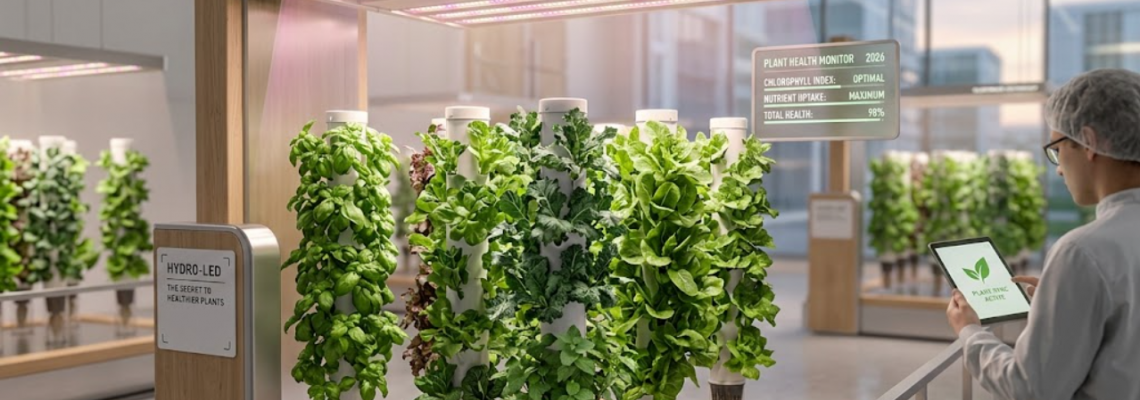
Hydroponic farming is rapidly changing modern agriculture, with indoor gardening and controlled-environment farming becoming more popular than ever. In 2026, full spectrum LED grow lights are playing a major role in helping growers produce healthier and more productive crops. Unlike traditional lighting systems that consume high energy and generate excess heat, modern LED technology is designed to mimic natural sunlight while delivering the exact light wavelengths plants need for every growth stage.
From leafy greens and herbs to tomatoes and strawberries, full spectrum LEDs support stronger roots, faster growth, improved yields, and better overall plant health. These advanced lighting systems also help reduce energy costs, making them ideal for both commercial hydroponic farms and home gardening setups.
As sustainable farming continues to grow worldwide, full spectrum LED technology is becoming an essential tool for efficient indoor agriculture. By creating optimized growing environments, these lights allow hydroponic plants to thrive year-round regardless of outdoor weather conditions. This guide explores how full spectrum LED grow lights work and why they are considered one of the biggest innovations in hydroponic farming today.
What Is Full Spectrum LED Technology?
Full spectrum LED lighting refers to grow lights that produce a broad range of light wavelengths similar to natural sunlight. Unlike older grow lights that focused heavily on only red and blue wavelengths, modern full spectrum LEDs provide balanced lighting across multiple parts of the light spectrum.
These lights typically include:
Blue light for vegetative growth
Red light for flowering and fruiting
White light for overall plant development
Far-red wavelengths for plant signaling
UV support for improved plant resilience
The goal is to create a lighting environment that supports every stage of plant growth while improving efficiency and crop quality.
For hydroponic systems where plants rely entirely on artificial environments, lighting quality plays a critical role in success.
Why Hydroponic Plants Need Better Lighting
Hydroponic plants do not grow in soil. Instead, they receive nutrients directly through water solutions. Because these systems are usually indoors or inside greenhouses, artificial lighting becomes the primary energy source for photosynthesis.
Without proper lighting, plants may experience:
Weak stems
Slow growth
Poor leaf color
Lower yields
Nutrient absorption problems
Reduced flowering or fruit production
Traditional lighting systems such as fluorescent bulbs or high-pressure sodium (HPS) lamps often create excessive heat, consume large amounts of electricity, and fail to deliver balanced light coverage.
Full spectrum LEDs solve these problems by providing targeted, energy-efficient illumination tailored specifically for plant growth.
How Full Spectrum LEDs Improve Plant Health
1. Enhanced Photosynthesis
Photosynthesis is the process plants use to convert light into energy. Full spectrum LEDs provide the wavelengths plants absorb most effectively, allowing hydroponic crops to produce energy more efficiently.
This results in:
Faster growth rates
Improved leaf development
Stronger stems
Increased chlorophyll production
Plants grown under optimized LED lighting often appear greener, healthier, and more vibrant compared to plants grown under conventional lights.
2. Stronger Root Development
Healthy roots are essential in hydroponic systems because roots directly absorb nutrients from water.
Blue wavelengths found in full spectrum LEDs encourage stronger root formation and compact vegetative growth. Strong roots improve nutrient uptake and help plants become more resilient against environmental stress.
This is especially important for:
Lettuce
Basil
Spinach
Microgreens
Herbs
Healthier roots often lead to healthier plants overall.
3. Improved Flowering and Fruiting
Red wavelengths play a major role in flowering and fruit production. Full spectrum LEDs carefully balance red light to encourage larger blooms and better fruit development.
Hydroponic growers using advanced LEDs frequently report:
Bigger tomatoes
Sweeter strawberries
Higher pepper yields
Faster flowering cycles
In commercial farming, these improvements can significantly increase profitability and harvest consistency.
4. Reduced Plant Stress
Plants exposed to unstable lighting conditions can become stressed, which negatively affects growth and yield.
Modern LED systems provide:
Stable light intensity
Even canopy coverage
Reduced heat stress
Customizable lighting schedules
Lower heat output is one of the biggest advantages of LEDs. Unlike traditional HPS lights, LEDs produce far less excess heat, helping maintain ideal growing temperatures inside hydroponic environments.
This reduces the risk of:
Leaf burn
Water evaporation
Temperature fluctuations
Plant dehydration
Stable growing conditions lead to healthier and more predictable crops.
Energy Efficiency Benefits in 2026
One reason full spectrum LED technology is dominating hydroponics in 2026 is its incredible energy efficiency.
Electricity costs remain one of the largest expenses for indoor farms. Older grow lights consume massive amounts of power and require additional cooling systems to manage heat.
Full spectrum LEDs offer major advantages:
Lower power consumption
Longer lifespan
Reduced maintenance
Less cooling required
Lower operational costs
Many modern LED systems now last over 50,000 hours, making them a long-term investment for both home and commercial growers.
For vertical farms operating 24/7, energy savings can dramatically improve profitability.
Smart LED Technology Is Changing Hydroponics
The newest generation of grow lights goes far beyond simply turning on and off. In 2026, smart LED systems are becoming standard in advanced hydroponic farming.
These intelligent systems allow growers to:
Adjust light intensity remotely
Automate lighting schedules
Customize spectrum settings
Monitor plant performance
Reduce wasted electricity
Some smart systems even use AI-powered environmental monitoring to optimize lighting based on plant growth stages.
For example:
Seedlings may receive more blue light
Flowering plants may receive more red light
Different crops can receive customized light recipes
This level of control helps maximize efficiency while improving crop quality.
Best Crops for Full Spectrum LED Hydroponics
Full spectrum LEDs work well for nearly every hydroponic crop, but some plants benefit especially from optimized lighting systems.
Leafy Greens
Lettuce
Kale
Spinach
Arugula
These crops grow quickly under balanced full spectrum lighting and produce vibrant leaves with strong coloration.
Herbs
Basil
Mint
Cilantro
Parsley
Herbs often develop stronger aromas and richer flavors when grown under high-quality LEDs.
Fruiting Plants
Tomatoes
Peppers
Cucumbers
Strawberries
These plants require carefully balanced red and blue wavelengths for maximum flowering and fruit production.
Microgreens
Microgreens are highly profitable and respond extremely well to LED-controlled environments due to their short growth cycles.
Sustainability and Environmental Impact
Sustainability is becoming a major priority in agriculture, and full spectrum LED technology supports greener farming practices.
Compared to traditional grow lights, LEDs help reduce:
Energy waste
Carbon emissions
Water evaporation
Equipment replacement waste
Hydroponic systems already use significantly less water than soil farming. Combining hydroponics with energy-efficient LED lighting creates a more environmentally friendly approach to food production.
This is especially important as cities and countries search for solutions to climate change and food security challenges.
Commercial Farming Growth in 2026
Commercial hydroponic farms are expanding rapidly worldwide. Supermarkets, restaurants, and consumers increasingly demand locally grown produce that is fresh, clean, and sustainably produced.
Full spectrum LED systems allow farms to:
Grow year-round
Produce crops indoors
Increase crop consistency
Reduce dependence on weather
Maximize vertical farming space
As technology improves and LED costs continue to decrease, more commercial growers are transitioning away from traditional lighting systems.
Many large-scale farms now view full spectrum LEDs as essential infrastructure rather than optional upgrades.
Choosing the Right Full Spectrum LED Grow Lights
Not all grow lights deliver the same results. When selecting LED lighting for hydroponics, growers should consider several factors.
Light Spectrum Quality
Choose systems designed specifically for plant growth rather than standard household LEDs.
Energy Efficiency
Look for high-efficiency LEDs with lower watt consumption and strong PAR output.
Coverage Area
Ensure the lighting system matches the size of the hydroponic growing area.
Cooling Design
Efficient heat management improves LED lifespan and plant health.
Smart Controls
Modern systems with programmable settings offer greater flexibility and precision.
Common Mistakes to Avoid
Even with advanced lighting technology, some growers make mistakes that limit plant performance.
Using Incorrect Light Distance
Lights placed too close can stress plants, while lights placed too far away reduce intensity.
Ignoring Plant Growth Stages
Different stages require different light intensity and spectrum balance.
Poor Environmental Control
Lighting works best when combined with proper:
Nutrient management
Temperature control
Humidity regulation
Air circulation
Buying Low-Quality LEDs
Cheap grow lights often lack proper spectrum balance and durability.
Investing in high-quality systems usually produces better long-term results.
The Future of Hydroponic Lighting
The future of hydroponic farming is closely tied to lighting innovation. Researchers continue developing smarter, more efficient LED systems capable of delivering highly customized growing conditions.
Future advancements may include:
AI-driven spectrum adjustments
Automated crop optimization
Solar-integrated indoor farms
Ultra-efficient quantum LEDs
Advanced environmental sensors
As urban populations grow and agricultural land becomes more limited, indoor hydroponic farming supported by full spectrum LED technology may play a major role in global food production.
Final Thoughts
Full spectrum LED technology is revolutionizing hydroponic farming in 2026. By delivering balanced light tailored to plant needs, these advanced systems help growers produce healthier crops, improve yields, reduce energy costs, and create more sustainable farming environments.
Whether you are a home gardener growing herbs indoors or a commercial farmer managing large-scale hydroponic operations, investing in high-quality full spectrum LEDs can dramatically improve plant health and productivity.
As hydroponics continues shaping the future of agriculture, smart LED lighting will remain one of the most important tools for achieving efficient, reliable, and sustainable crop production.
Leave a Comment