
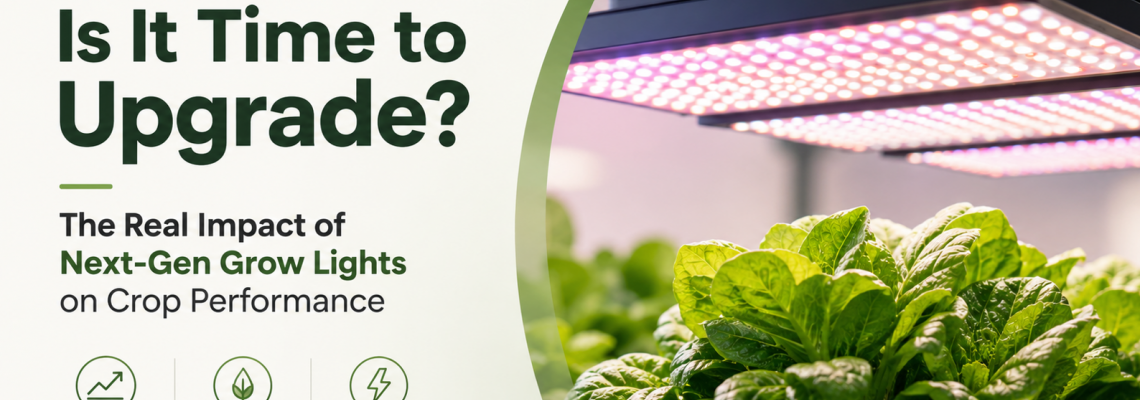
Modern agriculture is evolving rapidly as growers seek smarter and more sustainable ways to increase food production. From commercial greenhouses to indoor vertical farms, advanced lighting technology has become a key part of modern farming. While traditional grow lights once helped extend growing seasons, today’s next-generation LED grow lights are transforming the industry with greater efficiency and precision.
As energy costs rise, climate conditions become less predictable, and demand for high-quality crops continues to grow, many farmers are considering whether it’s time to upgrade their lighting systems. For many growers, the answer is clear.
Modern LED grow lights do far more than simply brighten growing spaces. These advanced systems are designed to optimize every stage of plant development by delivering the ideal light spectrum for healthier growth. They help improve crop yields, enhance quality, reduce energy consumption, and create more controlled growing environments. By combining smart technology with sustainable performance, next-gen grow lights are helping farms become more productive, cost-effective, and environmentally friendly while supporting the future of efficient indoor agriculture.
Understanding Next-Gen Grow Lights
Next-generation grow lights are advanced lighting systems primarily based on LED technology. Unlike older lighting solutions such as fluorescent or high-pressure sodium (HPS) lamps, modern LEDs are engineered to provide highly targeted light spectrums that plants need for photosynthesis and growth.
Traditional grow lights often wasted energy by producing unnecessary heat and broad-spectrum light. In contrast, next-gen LEDs focus on delivering precise wavelengths that maximize plant health and productivity.
Modern grow lights can now offer:
Adjustable light spectrums
Smart automation features
Energy-efficient performance
Reduced heat output
Longer operational lifespan
Better environmental control
These innovations are transforming indoor agriculture and greenhouse farming worldwide.
Why Crop Performance Depends on Lighting
Light is one of the most important factors in plant growth. Plants rely on light energy to perform photosynthesis, which directly affects growth speed, flowering, fruit production, and overall crop quality.
Different colors or wavelengths of light influence plants in different ways:
Blue light supports leafy growth and strong root systems
Red light promotes flowering and fruiting
Far-red light can influence plant stretching and bloom timing
Full-spectrum lighting replicates natural sunlight conditions
Next-gen grow lights allow growers to control these spectrums with precision, creating ideal conditions for different crop types and growth stages.
This level of customization is one of the main reasons why advanced lighting systems are delivering noticeable improvements in crop performance.
Increased Crop Yields
One of the biggest advantages of upgrading to next-generation grow lights is improved yield production. Modern LED systems distribute light more evenly across crops, helping plants receive consistent exposure throughout the growing area.
When plants receive optimal lighting, they grow faster, healthier, and more efficiently. This often leads to:
Larger harvests
Better crop uniformity
Higher-quality produce
Improved flowering and fruit development
Indoor farms and greenhouses using advanced LED systems frequently report increased production compared to older lighting technologies.
Vertical farms benefit especially because LEDs can be placed closer to plants without causing heat damage. This allows growers to maximize vertical space and increase production capacity within smaller areas.
Faster Growth Cycles
Next-gen grow lights also help accelerate plant growth cycles. Because growers can control light intensity and duration, crops can receive the ideal amount of light every day regardless of weather conditions or seasonal changes.
This leads to:
Shorter growing times
More harvests per year
Faster seedling development
Improved propagation success
For commercial growers, faster growth cycles translate directly into higher productivity and better profitability.
Indoor farming facilities can now produce crops year-round without relying on natural sunlight. This consistency is becoming increasingly important as climate unpredictability affects traditional farming.
Better Energy Efficiency
Energy consumption has always been a major concern in indoor agriculture. Older lighting systems such as HPS lamps consume large amounts of electricity and generate significant heat, increasing both utility bills and cooling costs.
Next-generation LED grow lights are designed for maximum energy efficiency.
Compared to traditional grow lights, LEDs:
Use less electricity
Produce more usable light for plants
Generate less heat
Reduce cooling system demands
Lower operational costs
Many growers recover their initial investment through long-term energy savings and increased crop productivity.
As energy prices continue to rise globally, efficient lighting systems are becoming essential for sustainable and profitable farming operations.
Reduced Heat Stress on Plants
Heat management is another major advantage of upgrading to advanced grow lighting systems.
Traditional lighting technologies often produce excessive heat that can stress plants and damage sensitive crops. High temperatures may lead to:
Leaf burn
Reduced growth rates
Water loss
Poor flowering
Increased disease risks
Next-gen LED grow lights operate at much cooler temperatures, creating a more stable growing environment.
Lower heat output allows growers to position lights closer to plants, improving light penetration without harming crops. This is especially valuable in vertical farming systems where space optimization is critical.
Reduced heat also decreases the need for expensive ventilation and air-conditioning systems.
Improved Crop Quality
Modern growers are not only focused on quantity quality matters just as much. Consumers expect fresh produce with better flavor, color, texture, and nutritional value.
Advanced lighting systems help improve crop quality by supporting healthier plant development throughout the growing cycle.
Benefits may include:
Richer color pigmentation
Enhanced flavor profiles
Stronger root systems
Higher nutrient content
Better shelf life
Custom light spectrums allow growers to influence plant characteristics based on specific market demands.
For example, some growers adjust lighting recipes to increase sweetness in fruits or improve the visual appearance of leafy greens.
Smart Technology and Automation
One of the most exciting developments in next-gen grow lights is the integration of smart farming technology.
Modern lighting systems can now connect with:
Climate control systems
Environmental sensors
Mobile apps
Artificial intelligence platforms
Automated irrigation systems
Growers can monitor and adjust lighting remotely in real time. Automated systems can optimize light schedules based on plant growth stages, environmental conditions, and energy usage.
Smart grow lighting helps reduce waste while improving operational efficiency.
These technologies are making indoor farming more precise, scalable, and data-driven than ever before.
Sustainability Benefits
Sustainability is becoming a top priority in agriculture, and next-gen grow lights play a major role in reducing environmental impact.
Lower Carbon Footprint
Because LEDs consume less energy, they help reduce greenhouse gas emissions associated with electricity generation.
Water Conservation
Indoor growing systems paired with LED lighting often use significantly less water than traditional farming methods. Controlled environments reduce evaporation and improve irrigation efficiency.
Reduced Chemical Use
Stable indoor environments supported by advanced lighting reduce exposure to pests and diseases. This can lower the need for pesticides and harmful chemicals.
Reduced Food Transportation
Indoor urban farms powered by LED grow lights can produce fresh food closer to consumers, reducing transportation emissions and food waste.
These sustainability advantages are helping modern agriculture move toward greener and more environmentally responsible farming practices.
Is Upgrading Worth the Investment?
While next-generation grow lights offer many benefits, upgrading does require an upfront investment. Advanced LED systems can initially cost more than traditional grow lights.
However, growers must consider the long-term return on investment.
Key financial benefits include:
Lower electricity bills
Reduced maintenance costs
Longer light lifespan
Higher crop yields
Faster harvest cycles
Improved crop quality
Most high-quality LED systems can operate for 50,000 hours or more, significantly reducing replacement frequency.
For commercial growers, the long-term savings and productivity gains often outweigh the initial costs.
Who Benefits Most from Next-Gen Grow Lights?
Upgrading to advanced grow lights can benefit a wide range of growers and agricultural businesses, including:
Indoor Vertical Farms
Vertical farming operations rely heavily on artificial lighting, making energy-efficient LEDs essential for profitability.
Greenhouse Growers
Supplemental LED lighting helps greenhouse growers maintain production during cloudy seasons and shorter daylight periods.
Hydroponic Farms
Hydroponic systems benefit from precise environmental control and optimized lighting conditions.
Commercial Cannabis Cultivation
Cannabis growers often use advanced LED systems to improve flower quality, yield consistency, and energy efficiency.
Home Growers
Even small-scale indoor gardeners are switching to LEDs for healthier plants and lower electricity costs.
Challenges to Consider
Although next-gen grow lights offer major advantages, growers should still consider potential challenges.
Initial Setup Costs
High-quality LED systems may require a larger upfront investment compared to traditional lighting.
Learning Curve
Optimizing light spectrums, intensity, and schedules may require technical knowledge and experimentation.
Crop-Specific Adjustments
Different crops respond differently to lighting conditions, meaning growers must customize settings carefully.
Despite these challenges, technology is becoming more user-friendly, making advanced lighting systems accessible to more growers every year.
The Future of Grow Lighting
The future of agriculture is closely connected to lighting innovation. Researchers and technology companies continue developing smarter, more efficient grow lighting systems.
Future advancements may include:
AI-powered lighting optimization
Adaptive spectral control
Solar-integrated grow systems
Advanced automation platforms
Real-time plant response monitoring
As global food demand rises and climate conditions become more unpredictable, controlled-environment agriculture will continue expanding.
Next-generation grow lights will remain at the center of this transformation.
Conclusion
So, is it time to upgrade your grow lights?
For many growers, the answer is becoming increasingly clear. Next-generation LED grow lights are improving crop performance in ways traditional lighting systems simply cannot match. From higher yields and faster growth cycles to lower energy costs and improved sustainability, advanced grow lighting is reshaping modern agriculture.
Whether you operate a commercial greenhouse, indoor farm, hydroponic setup, or home growing space, upgrading to smarter lighting technology can provide long-term benefits for productivity, efficiency, and environmental responsibility.
As agriculture moves toward a more sustainable and technology-driven future, next-gen grow lights are proving that better lighting truly leads to better growing.
3 Comment(s)
Historical men's college data largely provided by Dave Quinn (Naperville, IL) and Kevin Johnson Historical women's college basketball data made possible thanks to donation from Former NBA standout Monta Ellis, who played in the league for more than a decade without playing college basketball, will serve as general manager at Alcorn State this season, the school announced Friday. A former Spartan is considered one of the top available players on the market pursuing a fifth year of college hoops We have tools and resources that can help you use sports data. Just click on the country name in the left menu and select your competition (league, cup or tournament).
Treuepunkte verfallen nie und sind jederzeit gegen Gratiswetten-Gutscheine oder Spin-Pakete eintauschbar. Treue Spieler auf Platin- oder Diamantstufe erhalten Auszahlungen am selben Tag, priorisierten Support, maßgeschneiderte Quoten-Boosts und einen privaten Kingmaker Bonuscode für jedes große Fußballereignis. Engagierte Wettende bei Kingmaker Casino können einen 100 % Fußball-Einsatz-Match bis zu €100 nach Eröffnung eines Sportwetten-Wallets erhalten – hier gibt es keine Freispiele, nur bares Geld. Mit einer Spiel-Lizenz von Curaçao eGaming können wir transparente Casino-Boni anbieten, auf die in Deutschland registrierte Spieler vertrauen können. Egal, ob Sie Slots oder Tischspiele bevorzugen, das Kingmaker Casino hat für jeden etwas zu bieten.
References:
Best poker sites for us players http://images.google.co.in/url?sa=t&url=http://glofcee.com/employer/lollybet-casino-erfahrungen-2026-sicher-oder-ein-betrug/
Leave a Comment