
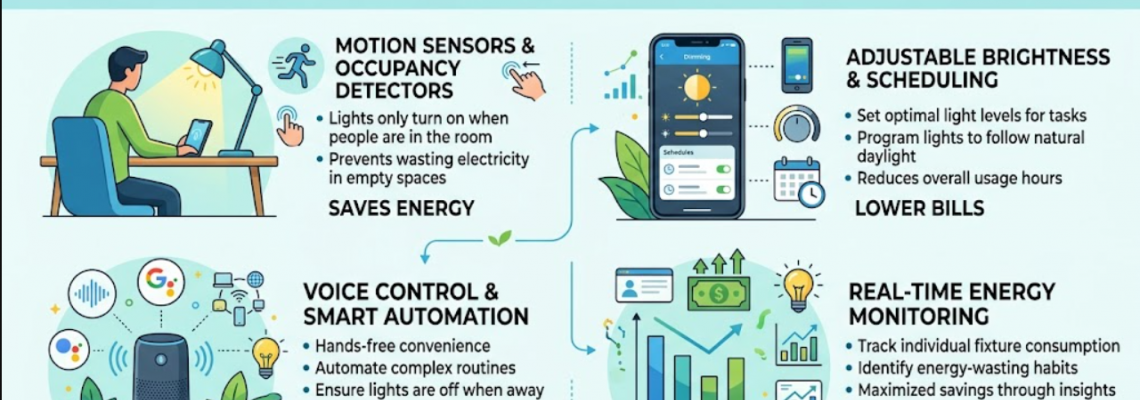
As energy costs continue to increase and sustainability becomes a key global focus, businesses and farms are actively seeking smarter ways to reduce electricity consumption. This challenge is especially significant in indoor farming and Controlled Environment Agriculture (CEA), where lighting systems are essential for plant growth but also represent a large share of total energy usage.
Fortunately, modern technology is providing an effective solution. Smart lighting systems are changing how energy is managed in agriculture and other industries by improving efficiency without compromising performance. Instead of relying on traditional lighting methods, these systems use advanced approaches to optimize energy use.
By integrating LED technology with automation and data-driven controls, smart lighting systems can adjust light intensity, timing, and distribution based on real-time needs. This ensures that energy is used only when necessary, reducing waste while maintaining optimal conditions for plant growth.
As a result, farms can lower electricity costs, improve operational efficiency, and support more sustainable practices. Smart lighting is proving to be a practical and powerful tool for balancing productivity with energy savings in modern agriculture.
The Energy Challenge in Indoor Farming
Indoor farms rely heavily on artificial lighting to replace natural sunlight. Crops often require 12 to 18 hours of light per day, depending on their type and growth stage. This continuous usage can lead to:
High electricity bills
Increased operational costs
Greater carbon footprint
For many growers, lighting is one of the largest ongoing expenses. Managing this energy demand efficiently is key to long-term profitability.
What Are Smart Lighting Systems?
Smart lighting systems use automation, sensors, and intelligent controls to manage how and when lights operate. Unlike traditional systems that run on fixed schedules, smart systems adapt in real time.
They can:
Adjust light intensity based on plant needs
Change schedules depending on growth stages
Integrate with environmental sensors
Optimize energy use automatically
This level of control ensures that energy is used only when necessary, reducing waste while maintaining optimal conditions.
The Role of LED Technology
At the core of smart lighting systems are LED (Light Emitting Diode) grow lights. LEDs are significantly more efficient than traditional lighting technologies like High-Pressure Sodium (HPS) and fluorescent lights.
Key Advantages of LEDs:
Lower energy consumption
Longer lifespan
Reduced heat output
Adjustable light spectrum
Instant dimming capabilities
These features make LEDs ideal for smart systems that require flexibility and precision.
How Smart Lighting Systems Reduce Electricity Costs
1. Adaptive Light Intensity
Smart systems adjust brightness based on plant requirements.
Young plants receive lower intensity
Mature plants receive higher intensity
This prevents overuse of energy and ensures efficient light delivery.
2. Smart Scheduling
Instead of simple on/off timers, smart lighting follows dynamic schedules.
Gradual increase in light during “sunrise”
Peak intensity during active growth
Gradual dimming during “sunset”
This approach not only saves energy but also supports healthier plant development.
3. Daylight Integration
In greenhouses, sensors detect natural sunlight and automatically reduce artificial lighting when sufficient daylight is available.
This significantly cuts down energy usage without affecting plant growth.
4. Reduced Cooling Costs
Traditional lighting systems generate a lot of heat, requiring additional cooling systems such as air conditioning and ventilation.
LED-based smart systems produce much less heat, which reduces:
Cooling energy consumption
Equipment wear and tear
This creates additional cost savings beyond lighting alone.
5. Precision Spectrum Control
LEDs allow growers to provide only the light wavelengths needed for photosynthesis.
By eliminating unnecessary light output, energy is used more efficiently while improving plant performance.
6. Automation and Real-Time Monitoring
Smart lighting systems continuously monitor environmental conditions and adjust accordingly.
Sensors track temperature, humidity, and plant health
Systems automatically optimize lighting
Energy usage is tracked and improved over time
This ensures maximum efficiency with minimal manual intervention.
Financial Benefits for Growers
The cost savings from smart lighting systems can be substantial.
Lower Electricity Bills
Optimized energy usage leads to significant reductions in monthly power costs.
Faster Return on Investment (ROI)
Although initial installation costs may be higher, savings on energy and maintenance often result in a quick payback period.
Reduced Maintenance Costs
LEDs last longer than traditional lighting systems, reducing replacement and maintenance expenses.
Improving Productivity Alongside Savings
One of the biggest advantages of smart lighting systems is that they improve efficiency without sacrificing productivity.
Higher Crop Yields
Optimized lighting conditions enhance photosynthesis and plant growth.
Better Crop Quality
Balanced light improves:
Color
Texture
Flavor
Nutritional value
Consistent Results
Uniform lighting ensures consistent growth across all plants, which is essential for commercial farming.
Sustainability and Environmental Impact
Energy-efficient lighting is not just about saving money—it’s also about protecting the environment.
Reduced Carbon Emissions
Lower energy consumption leads to a smaller carbon footprint.
Efficient Resource Use
Smart systems minimize waste and maximize output.
Support for Sustainable Agriculture
These technologies align with global efforts to create more sustainable food systems.
Integration with Smart Farming Ecosystems
Smart lighting systems are often part of a larger digital ecosystem in modern farms.
They integrate with:
IoT sensors
Climate control systems
Automated irrigation
AI-driven analytics
This integration allows farms to operate more efficiently and make data-driven decisions.
Applications Beyond Agriculture
While indoor farming is a major use case, smart lighting systems are also used in:
Warehouses
Offices
Retail spaces
Smart homes
In all these environments, the goal remains the same—reduce energy consumption while maintaining performance.
Challenges to Consider
Despite their benefits, smart lighting systems come with some challenges:
Initial Investment
Upfront costs for LED systems and automation can be high.
Technical Complexity
Growers may need training to use advanced features effectively.
System Integration
Existing infrastructure may require upgrades to support new systems.
However, as technology advances, these challenges are becoming easier to manage.
The Future of Smart Lighting
The future of smart lighting systems is driven by innovation and intelligence.
AI-Powered Optimization
Artificial intelligence will enable systems to predict plant needs and adjust lighting automatically.
Dynamic Light Recipes
Customized lighting strategies will be developed for different crops and growth stages.
Renewable Energy Integration
Combining smart lighting with solar and wind energy will further reduce costs and environmental impact.
Fully Automated Farms
Lighting, irrigation, and climate control will work together seamlessly with minimal human intervention.
Conclusion
Smart lighting systems are proving that reducing electricity costs doesn’t mean compromising on performance. By using energy more intelligently, these systems help farms and businesses achieve greater efficiency and sustainability.
From adaptive intensity and smart scheduling to real-time monitoring and automation, smart lighting offers a comprehensive solution to one of the biggest challenges in modern agriculture.
As energy demands continue to rise, adopting smart lighting is no longer just an option it’s becoming a necessity. With the right technology in place, growers can reduce costs, improve productivity, and build a more sustainable future.
In the end, the brightest ideas for savings come from using light not just effectively but intelligently.
52 Comment(s)
Payment options include PayID, Visa, Maestro, Neteller, Skrill, with no fees charged. Casinonic offers the same 3,000+ games on mobile and desktop, including the best PayID pokies, classic table games, and live dealer titles. While VIP perks require consistent play, the under 5-minute PayID payout time, strong bonuses, and live dealer cashback make SkyCrown one of the best Aussie online casinos. Returning players enjoy weekly free spins and reload bonuses, plus special deals. You can claim AU$8,000 across your first four deposits, including 400 free spins.
Die gemeinte Pflanze ist in aller Regel der Kakaobaum mit der wissenschaftlichen Bezeichnung Theobroma cacao.
References:
Online casino roulette https://body-positivity.org
References:
French roulette https://community.likpi.com/d/38-gambling-sites-that-accept-osko-what-to-check-first
References:
Wild vegas casino forum.okehampton.org
References:
Chef de cuisine community.oscedays.org
References:
How to deposit on pokies with bpay BPay high roller casino Australia
References:
Payid online casinos australia https://moveblockchain.org/en/forum/topic/some-people-excel-at-payid-online-pokies-and-some-dont-which-one-are-you/
References:
Online casino that use payid australian payid online casino
References:
Safe bank transfer casinos australia sikhforum.de
References:
Best neosurf online casino australia instant withdrawal casino australia neosurf
References:
Online casino sofortüberweisung test beste online casinos mit sofortüberweisung
References:
Trustly Casino seriös https://forum.webcliq.com/
References:
New mobile pokies mobile casino payid australia
References:
High roller payid pokies $5 payid pokies australia
References:
Payid pokies bonus codes https://sub.elfejewelry.com/
References:
Payid minimum deposit pokies https://literaturewiki.site
References:
Payid minimum deposit pokies payid pokies instant withdrawal australia
References:
Fast payout payid pokies http://viproskurnin.ru/index.php?subaction=userinfo&user=clientgoal13
References:
Australian pokies that accept payid https://stackoverflow.qastan.be
References:
Instant withdrawal pay id pokies instant withdrawal payid pokies
References:
Payid pokies bonus codes how to play pokies with payid
References:
$5 payid pokies australia no verification payid pokies australia
References:
Instant withdrawal payid pokies atavi.com
References:
No verification payid pokies australia payid pokies deposit
References:
Payid casino pokies new payid pokies
References:
Best payid pokies australia https://blogfreely.net/jewelsword22/beste-trustly-casinos-2026-in-deutschland
References:
%random_anchor_text% payid pokies app
References:
New payid pokies philosophywiki.space
References:
Progressive jackpot payid pokies http://kuniunet.com/
References:
Fast withdrawal pokies australia payid desktop payid pokies
References:
Australian online casino payid pokies 101.34.125.242
References:
Best online pokies payid https://pad.funkwhale.audio/9CWFa47vQ8OzergEnY94UQ
References:
Play pokies with payid https://a-taxi.com.ua/user/patchtuba18/
References:
$5 payid pokies australia pokies payid accepted australia
References:
Pay id pokies australia free payid pokies
References:
Online pokies payid http://pandora6666.com/
References:
Top 10 payid pokies https://hackmd.okfn.de/hiRYO8JJSb6kV59-YgNgpw
References:
1 dollar payid pokies play online pokies payid australia
References:
No deposit payid pokies australia cellolaura36.werite.net
References:
Payid pokies real money payid minimum deposit pokies
References:
Fast payout payid pokies pokies payid accepted australia
References:
Daily free spins payid pokies instant payid withdrawal pokies australia
References:
Best pay id pokies jszst.com.cn
References:
Pay id pokies real money no deposit payid pokies australia
References:
Payid pokies instant withdrawal australia fast withdrawal pokies australia payid
References:
Instant withdrawal pay id pokies pad.public.cat
References:
Osko pokies trusted sites fast bank transfer casino australia
References:
Osko real money gambling osko and payid pokies
References:
Payid pokies deposit pay id pokies
References:
Is Osko safe for online pokies Osko casino low deposit
References:
Low deposit payid pokies mobile pokies payid
Leave a Comment