
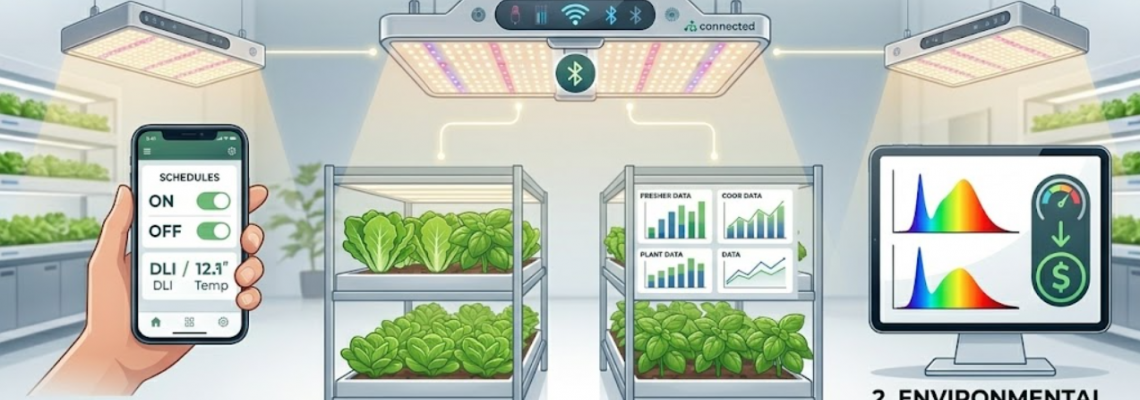
The future of agriculture is becoming increasingly intelligent, efficient, and data-driven. As indoor farming, hydroponics, vertical agriculture, and greenhouse cultivation continue to expand, growers are seeking innovative technologies that can improve crop production while reducing costs and resource consumption. One of the most impactful advancements in modern farming is the integration of smart control systems into LED lighting technology.
Traditional grow lights provided artificial illumination for plant growth, but they often lacked flexibility and required manual management. Today, smart LED lighting systems offer a new level of precision, automation, and control. By combining advanced sensors, programmable controls, connectivity, and real-time data analysis, these systems help growers create optimal growing environments tailored to specific crop needs.
From increasing energy efficiency to automating lighting schedules and enhancing plant development, smart control systems are transforming the way crops are cultivated. This article explores how intelligent LED lighting solutions are improving efficiency, supporting automation, and driving healthier plant growth in modern agriculture.
What Are Smart Control Systems in LED Lighting?
Smart control systems are advanced technologies that allow growers to monitor, manage, and automate LED lighting operations through digital platforms and connected devices.
Unlike conventional lighting systems that operate on fixed timers, smart controls enable dynamic adjustments based on environmental conditions and plant requirements.
A smart LED lighting system typically includes:
Full-spectrum LED grow lights
Sensors for environmental monitoring
Programmable controllers
Wireless connectivity
Mobile applications
Cloud-based management software
Together, these components create an intelligent ecosystem capable of optimizing lighting conditions with minimal manual intervention.
Why Lighting Control Matters for Plant Growth
Light is one of the most important factors influencing plant development. It directly affects photosynthesis, nutrient absorption, flowering, fruit production, and overall crop health.
Different plants require different lighting conditions, and those requirements often change throughout various growth stages.
For example:
Seedlings benefit from higher blue light levels.
Vegetative plants require balanced light for leaf growth.
Flowering crops need more red light to encourage blooming and fruit production.
Without proper lighting control, plants may experience:
Slower growth
Reduced yields
Uneven development
Increased stress
Poor crop quality
Smart control systems help ensure plants consistently receive the ideal lighting conditions needed for optimal performance.
Improving Energy Efficiency
One of the primary benefits of smart LED lighting systems is improved energy efficiency.
Energy costs represent a significant expense for indoor farming operations. Although LED grow lights already consume less electricity than traditional lighting technologies, smart controls can further reduce energy usage.
These systems improve efficiency by:
Automatically adjusting light intensity
Turning lights on and off based on schedules
Dimming unused growing zones
Responding to natural light availability
Rather than operating at full power continuously, smart systems deliver only the amount of light required at a given time.
This targeted approach reduces electricity consumption while maintaining excellent growing conditions.
Automated Lighting Schedules
Automation is a major advantage of smart control systems.
Traditional lighting setups often require growers to manually adjust schedules and settings. Smart LED systems eliminate much of this workload through programmable automation.
Growers can create customized schedules based on:
Crop type
Growth stage
Seasonal changes
Environmental conditions
For example:
Seedlings may receive 18 hours of light daily.
Mature plants may require different photoperiods.
Flowering crops may need adjusted light cycles to trigger bloom production.
Automation ensures consistency while reducing labor requirements and human error.
Real-Time Environmental Monitoring
Modern smart lighting systems are often integrated with environmental sensors that continuously collect data.
These sensors monitor factors such as:
Temperature
Humidity
Light intensity
Carbon dioxide levels
Nutrient conditions
Real-time monitoring allows growers to identify potential issues quickly and make adjustments before plant health is affected.
For example, if temperatures rise unexpectedly, lighting intensity can be automatically reduced to minimize plant stress.
This level of responsiveness creates a more stable and productive growing environment.
Customized Light Spectrums for Different Crops
One of the most powerful features of smart LED lighting is the ability to customize light spectrums.
Different wavelengths influence plant growth in unique ways.
Blue Light
Supports:
Root development
Vegetative growth
Compact plant structure
Red Light
Promotes:
Flowering
Fruit production
Biomass accumulation
White Light
Provides balanced illumination and supports overall plant health.
Smart systems allow growers to fine-tune spectrum settings based on crop requirements.
This customization improves growth rates, crop quality, and overall productivity.
Enhanced Plant Growth and Development
Plants perform best when environmental conditions remain stable and optimized.
Smart LED control systems help achieve this by maintaining precise lighting conditions throughout the growth cycle.
Benefits often include:
Faster growth rates
Stronger root systems
Improved photosynthesis
Better nutrient uptake
Increased flowering
Higher yields
Because plants receive consistent and targeted lighting, they can devote more energy to growth and production rather than adapting to fluctuating conditions.
This leads to healthier, more productive crops.
Remote Access and Control
Another significant advantage of smart lighting systems is remote management.
Growers can monitor and control their lighting systems from smartphones, tablets, or computers regardless of location.
Remote capabilities often include:
Adjusting light intensity
Changing schedules
Monitoring environmental data
Receiving system alerts
Managing multiple facilities
This flexibility allows growers to respond quickly to changing conditions without needing to be physically present.
For commercial farming operations, remote access can improve efficiency and reduce operational costs.
Data-Driven Decision Making
Smart control systems generate valuable data that can be used to improve growing strategies.
Collected data may include:
Energy consumption
Crop performance
Environmental conditions
Lighting usage patterns
Analyzing this information helps growers identify opportunities for optimization.
For example:
Determining which lighting schedules produce the highest yields
Identifying areas where energy can be conserved
Understanding how environmental factors affect plant growth
Many advanced systems now incorporate artificial intelligence and machine learning to provide recommendations automatically.
Data-driven decision-making supports continuous improvement and increased profitability.
Supporting Hydroponic and Vertical Farming
Hydroponic and vertical farming systems depend heavily on artificial lighting.
Because these environments often lack natural sunlight, lighting becomes a primary driver of plant growth.
Smart LED controls are particularly valuable because they provide:
Precise environmental management
Consistent crop production
Reduced resource consumption
Enhanced space utilization
In vertical farms, lighting can be customized for each growing level, ensuring every crop receives optimal conditions.
This flexibility improves productivity while maximizing available space.
Sustainability Benefits
Sustainable agriculture is becoming increasingly important as global food demand rises and environmental concerns grow.
Smart LED lighting systems contribute to sustainability in several ways.
Reduced Energy Consumption
Optimized lighting schedules lower electricity usage.
Lower Carbon Footprint
Improved efficiency reduces greenhouse gas emissions associated with energy production.
Better Resource Management
Automation helps optimize water, nutrients, and environmental controls.
Reduced Waste
Stable growing conditions decrease crop losses and improve consistency.
These benefits support environmentally responsible farming practices while maintaining strong productivity.
Applications Beyond Commercial Agriculture
While large-scale farms often lead technology adoption, smart LED control systems are increasingly accessible to smaller operations and home growers.
Home Gardening
Smart grow lights allow hobbyists to automate indoor gardens and herb-growing systems.
Educational Institutions
Schools and universities use controlled environments for agricultural research and training.
Research Facilities
Scientists study plant responses under precisely controlled lighting conditions.
Urban Agriculture
Community farms and urban growing projects benefit from efficient lighting and automation.
The growing availability of affordable smart systems is making advanced cultivation technology more accessible than ever.
Common Challenges and Considerations
Although smart LED lighting offers many benefits, growers should evaluate several factors before implementation.
Initial Investment
Advanced lighting systems often require higher upfront costs compared to traditional solutions.
Technical Knowledge
Some systems may require training to maximize their capabilities.
Connectivity Requirements
Reliable internet access may be necessary for cloud-based features and remote management.
System Compatibility
Ensuring compatibility between sensors, controllers, and software platforms is important for long-term scalability.
Careful planning can help maximize return on investment and system performance.
Emerging Trends in Smart LED Lighting
The future of smart lighting technology continues to evolve rapidly.
Key trends include:
AI-Powered Automation
Artificial intelligence can automatically adjust lighting conditions based on plant growth data.
Predictive Analytics
Advanced algorithms help forecast crop performance and identify potential issues before they occur.
Voice-Controlled Systems
Some platforms now support voice commands for convenient operation.
Integration with Farm Management Software
Lighting systems are becoming part of broader agricultural management ecosystems.
Renewable Energy Compatibility
Many growers are integrating solar energy with smart lighting systems to further reduce operating costs.
These innovations will continue driving efficiency and productivity across the agricultural sector.
The Future of Smart Control Systems in Agriculture
As technology advances, smart control systems will play an increasingly important role in food production.
Future developments may include:
Fully autonomous growing environments
Advanced AI decision-making
Self-optimizing lighting systems
Enhanced environmental sensing
Greater integration with robotics and automation
These technologies will help growers produce more food using fewer resources while maintaining high levels of quality and sustainability.
Smart control systems are no longer simply optional upgrades—they are becoming essential tools for modern agriculture.
Final Thoughts
Smart control systems in LED lighting are transforming the way crops are grown by combining precision, automation, and data-driven management. These intelligent solutions help growers optimize lighting conditions, improve plant health, reduce energy consumption, and increase operational efficiency.
Whether used in hydroponic farms, vertical farming facilities, greenhouses, research centers, or home gardens, smart LED lighting systems provide powerful benefits that extend far beyond basic illumination. By delivering customized lighting environments and automating critical processes, these technologies are helping shape the future of sustainable agriculture.
As innovation continues to accelerate, smart control systems will remain at the forefront of agricultural technology, empowering growers to achieve healthier plants, higher yields, and more efficient farming operations for years to come.
156 Comment(s)
Thanks for sharing your thoughts about smart LED lighting systems.
Regards
References:
Spielhalle mit sofortüberweisung https://cdss.snw999.com/
References:
Payid pokies no KYC new payid pokies australia
References:
Top payid pokies australia https://literaturewiki.site/wiki/Best_PayID_Casinos_Australia_2026_Instant_Deposits_Withdrawal
References:
Instant withdrawal pay id pokies https://architecturewiki.site/
References:
Instant play payid pokies pay id pokies real money
References:
Bonus pokies payid direct bank transfer payid pokies
References:
Highest paying payid pokies australia https://tokai-job.com
References:
1 minimum deposit casino australia payid payid pokies no deposit bonus
References:
How to play pokies with payid https://graph.org/MuchBetter-Casinos-Canada-2026---Mobile-Wallet-Payouts-09-29
References:
Desktop payid pokies instant withdrawal pay id pokies
References:
No deposit payid pokies australia https://rentry.co/zxx8ke6w
This piece of writing provides clear idea designed for the
new visitors of blogging, that actually how to do blogging.
Promo: C4bjWthY7dcX8qi
References:
Payid pokies real money no deposit https://frederick-berger-2.hubstack.net/fast-withdrawal-casinos-australia-for-2026-instant-payout-sites-1790859407
References:
Real money payid online pokies https://hedgedoc.envs.net/7VNqwyPlRquzq3Oe1J9WVg
References:
Payid pokies free spins free payid pokies
References:
Online pokies payid australia play pokies with payid
References:
1 dollar payid pokies bridgedesign.space
References:
Live casino neosurf australia neosurf reload bonus casino
References:
10 aud deposit casino neosurf minimum deposit casino neosurf australia
References:
Neosurf trusted casinos australia http://bbs.pcgpcg.net/home.php?mod=space&uid=1368237
References:
Neosurf casino sites accepting australian players bbs.wj10001.com
References:
Online casino australia neosurf https://cadetmove.ru/index.php?subaction=userinfo&user=pincap90
References:
New australian online casinos neosurf neosurf casino comparison australia
References:
Top australian online casinos accepting neosurf --7sbarohhk4a0dxb3c.рф
References:
Top neosurf online casinos australia https://gitlab.oc3.ru/skillseed54
References:
Best neosurf casino australia casino neosurf australia
References:
Best neosurf casino bonus aus http://ambimomes.online.fr
References:
Best online pokies australia neosurf neosurf casino promotions australia
References:
Neosurf 10 digit code casino australia cq.x7cq.vip
References:
Neosurf casino withdrawal times neosurf withdrawal casino
References:
Online casinos that accept neosurf australia top australian online casinos accepting neosurf
References:
Neosurf anonymous casino australia neosurf casino cashier australia
References:
Neosurf casino promo codes australia https://clipjournal.space
References:
Neosurf casino bonus australia bookmarkpress.site
References:
Neosurf live dealer casino australia schoolido.lu
References:
Vip neosurf casino australia neosurf anonymous casino australia
References:
Online casino bank transfer Australia doc.neutrinet.be
References:
Direct bank transfer casinos australia bank transfer casino real money Australia
References:
Top australian wire transfer casinos md.coredump.ch
References:
Casino mit sofort ohne oasis git.healthathome.com.np
References:
Australian neosurf casinos pad.public.cat
References:
Wire transfer withdrawal casino australia http://caraudiocentre.ir/index.php?subaction=userinfo&user=jarflock39
References:
Direct bank transfer pokies australia lslv168.com
References:
Australian online casinos neosurf neosurf sign up bonus australia
References:
Neosurf casino banking australia neosurf $10 deposit casinos
References:
Pokies accepting osko payments pad.stuve.de
References:
Legal wire transfer casinos australia https://xbymw.com/space-uid-1330092.html
References:
Osko pokies fast cash fast payout pokies Australia
References:
Osko live dealer casinos vip pokies osko
References:
Which online pokies accept Osko winnipegasians.com
References:
Osko pokies fast cash new payid casinos australia
References:
Daily free spins payid pokies roadwiki.site
References:
Bpay deposit bonus pokies http://bbs.yx3.com/home.php?mod=space&uid=314984
References:
Blackjack online MiFinity Australia https://pad.cttue.de
References:
Bpay pokie sites https://ancientroman.space
References:
Osko instant withdrawal casino australia Osko casino app
References:
Bpay online pokies BPay casino AU real money
References:
Safe online gambling Australia MiFinity dancewiki.site
References:
Top MiFinity online casinos mobile pokies MiFinity Australia
References:
MiFinity casino verification http://halcom.cn/
References:
Compare BPay pokies sites http://www.automingwei.com
References:
Instant withdrawal pay id pokies https://neolatinswiki.site/wiki/Online_Pokies_Australia_2026_Best_Real_Money_Online_Pokies
References:
Free spins payid pokies australia payid pokies reviews
References:
MiFinity minimum deposit casino Australia rentry.co
References:
Payid pokies welcome bonus instant withdrawal pay id pokies
References:
Casinos with MiFinity Australia hedgedoc.ludos-disciplinarum-misi.fyi
References:
Best online pokies that accept bpay BPay online casino Australia
References:
Payid pokies instant withdrawal australia https://freereadinglist.com/News/top-payid-casinos-for-aussie-players/
References:
Aussie pokies payid free spins payid pokies australia
References:
Online pokies deposit with BPay Australian online pokies BPay
References:
Minimum deposit payid pokies pbase.com
References:
Highest paying payid pokies australia test-sida.noads.biz
References:
Instant withdrawal payid pokies https://bookmarkzones.trade/
References:
Direct bank transfer payid pokies bbs.wuhudj.com
References:
Top payid pokies australia https://text.dsf.hs-heilbronn.de/Qm25Y9KzRWWomGulZ9uB6g
References:
Online casino neosurf bonus https://graph.org/
References:
Neosurf deposit casino australia neosurf casino poker machines australia
References:
Neosurf no deposit bonus australia neosurf casino reviews australia
References:
Neosurf crypto casino australia https://www.rcmx.net
References:
Best online casino australia neosurf neosurf free spins no deposit australia
References:
Neosurf top up casino australia https://cq.x7cq.vip/home.php?mod=space&uid=9726717
References:
Interac payment casino live casino interac
References:
Online casino canada interac deposit https://schoolido.lu
References:
Withdraw casino winnings Osko osko casino reviews australia
References:
No fee wire transfer casinos http://www.cruzenews.com/wp-content/plugins/zingiri-forum/mybb/member.php?action=profile&uid=2436318
References:
Osko pokies payment option http://www.qianqi.cloud/home.php?mod=space&uid=1701595
References:
Australian casino bank withdrawal online pokies accepting wire transfer australia
References:
Play pokies with bank transfer australia best direct bank transfer casinos australia
References:
Online casino paysafecard deposit canada online casino paysafecard free spins canada
References:
Google pay casinos ontario https://www.forum.uookle.com/home.php?mod=space&uid=1829438
References:
1 dollar payid pokies https://literaturewiki.site/
References:
Pokies that accept neosurf australia lovebookmark.win
References:
Best paying osko pokies http://xhdyz.cn/
References:
Daily free spins payid pokies austin-hester-2.federatedjournals.com
References:
Minimum deposit payid pokies https://pad.batsense.net/WI9i8BD5Q7uISQajAWTLFg
References:
5 dollar deposit pokies payid fast withdrawal pokies australia payid
References:
Payid accepted pokies 1 dollar deposit pokies payid
References:
Direct bank transfer payid pokies australian pokies that accept payid
References:
Top osko casino sites Osko pokies free play
References:
Osko pokies instant bank transfer https://hedgedoc.ludos-disciplinarum-misi.fyi/
References:
Bonus pokies payid https://pbase.com/faceback70/
References:
Payid casino promotions payid direct bank transfer casino
References:
Bpay deposit pokies https://pbase.com/lanyoke75/
References:
Secure BPay casino Australia https://hedgedoc.ludos-disciplinarum-misi.fyi/0LyK2UyuSFuh89akt7f8zA
References:
BPay vs credit card casino deposit BPay casino withdrawal Australia
References:
MiFinity casino cashback Australia fzquan8.cn
References:
MiFinity casino reviews Australia tvoyaskala.com
References:
Fastest withdrawal MiFinity casino Australia MiFinity sign up bonus Australia
References:
Neosurf minimum deposit casino https://shockrobert73.bravejournal.net/
References:
Neosurf casino minimum deposit australia $5 minimum deposit casino neosurf australia
References:
How to deposit with neosurf at online casinos https://doc.anagora.org/
References:
Direct bank transfer online casino australia https://www.akaqa.com
References:
Casino direct bank transfer Australia wire transfer casino app australia
References:
Australian online casinos that accept wire transfer https://bbs.ybk001.com/home.php?mod=space&uid=623215
References:
1 minimum deposit casino australia payid best pay id pokies
References:
Wire transfer casino processing time Australia https://git.arteneo.pl/gumdoctor25
References:
Pokies that accept PayID payid pokies australia
References:
Payid pokies online top 10 payid pokies
References:
Osko pokies demo pokies osko minimum deposit
References:
Osko casinos for australian players androidonly.com
References:
Bank transfer casino bonus australia write.frame.gargantext.org
References:
Fast withdrawal pokies australia payid best payid pokies australia
References:
Wire transfer gambling sites australia https://graph.org/Top-Bank-Transfer-Casinos-2026---Bank-Transfer-Casino-Sites-10-19
References:
Top payid pokies australia https://manualshyundai.com/user/motionsteven3/
References:
Progressive jackpot pokies Osko fast withdrawal osko payid pokies
References:
Direct bank transfer payid pokies same day payout pokies payid
References:
Real money Osko casinos online gambling Osko
References:
Bpay pokies instant withdrawal https://malone-ehlers-2.thoughtlanes.net/
References:
How to play pokies with payid https://graph.org
References:
Bpay mobile pokies australia pokies accepting bpay
References:
Best bpay pokie sites https://app.wedonthavetime.org/profile/cellaranswer8
References:
Australian payid pokies https://--7sbarohhk4a0dxb3c.рф/
References:
BPay pokies real money https://pad.stuve.de/
References:
MiFinity casino sites accepting MiFinity Australia MiFinity payment method casino
References:
Play online casino with MiFinity AU MiFinity casino web-based Australia
References:
MiFinity casino blackjack Australia real money casino Australia MiFinity
References:
Top rated neosurf casinos australia https://onlinevetjobs.com
References:
Neosurf casino privacy australia australian online casino neosurf deposit
References:
Neosurf casino anonymous australia https://hedgedoc.dawan.fr/v56Z6bWIQT2Dhooa7Nf8wA
References:
MiFinity casino live chat Australia https://undrtone.com
References:
Neosurf baccarat australia neosurf casino loyalty rewards australia
References:
Online casino banking options australia http://bbs.lotsmall.cn/
References:
Online casino bank transfer Australia best australian bank transfer casinos
References:
Mobile casino bank transfer australia hedgedoc.dawan.fr
References:
Fast bank transfer casino australia neoclassical.space
References:
Osko casinos for Australians $5 Osko deposit casino
References:
Osko casino real money Australia https://codimd.zaehlwerk.net/JnfrtgBDQJ-WJOHNTGvASg
References:
Australian casinos accepting wire transfers https://mapleprimes.com
References:
Trusted wire transfer casinos australia https://sonnik.nalench.com/
References:
Betting apps with Osko https://www.play56.net
References:
PayID and Osko casinos https://bloom-yu-3.hubstack.net/thepokies117-official-the-pokies-casino-australia
References:
Legit osko casinos https://pad.cttue.de
References:
Osko pokies demo osko online casino pokies
Hello, this is a test comment, please ignore
Hello World!
Leave a Comment