
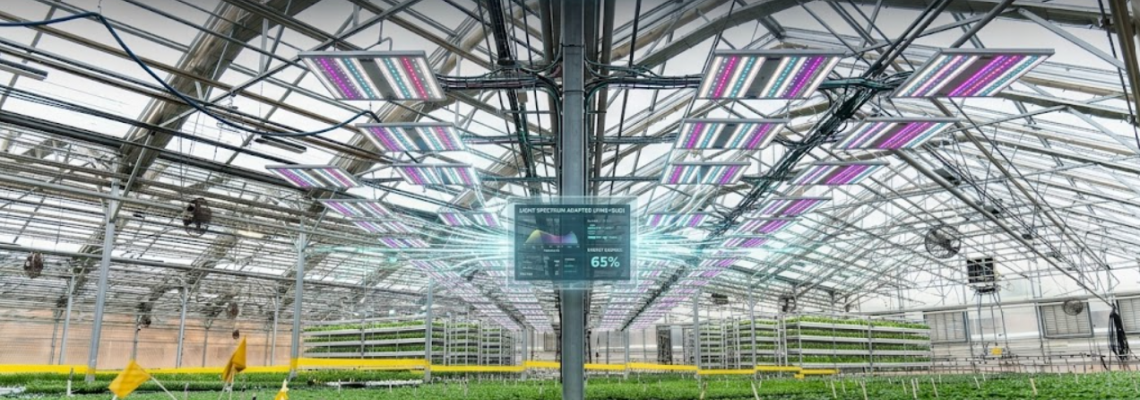
Introduction
Greenhouse farming is rapidly evolving as growers adopt connected technologies to improve productivity, efficiency, and sustainability. In 2026, smart greenhouses are bringing together IoT sensors, artificial intelligence, automation, climate-control systems, and advanced LED lighting to create highly optimized growing environments.
For many years, High-Pressure Sodium (HPS) lights have been widely used for supplemental greenhouse lighting because of their strong light output. However, modern LED lighting systems are becoming increasingly popular due to their energy efficiency, digital controllability, spectrum flexibility, lower radiant heat, and longer operating life.
When LEDs are connected to IoT-based greenhouse management systems, their capabilities become even more powerful. Instead of simply turning lights on or off, growers can automatically adjust light intensity, spectrum, and schedules based on crop requirements, environmental conditions, and available sunlight. Sensors can continuously monitor factors such as light levels, temperature, humidity, and CO₂.
This connected approach enables more precise crop management, reduces unnecessary energy consumption, and supports consistent growing conditions. As smart agriculture continues to advance, IoT-connected LED lighting is becoming an essential technology for efficient, sustainable, and data-driven greenhouse production.
What Is a Smart Greenhouse?
A smart greenhouse is a controlled growing facility that uses connected technologies to monitor and automatically manage environmental conditions.
Common technologies include:
IoT sensors
LED grow lights
Automated irrigation
Climate-control systems
AI and machine learning
Cloud-based monitoring
Computer vision
Automated ventilation
CO₂ management
Sensors continuously collect information about temperature, humidity, light levels, CO₂ concentration, and other growing conditions. Software then uses this data to make automated adjustments.
Lighting is an important part of this ecosystem because plants depend on the quantity, quality, and duration of light for photosynthesis and development.
Why HPS Lighting Is Being Challenged by LEDs
HPS technology has played an important role in greenhouse production, but its fixed characteristics can make it less flexible for modern connected farming.
HPS fixtures generally have:
High electrical consumption
Significant heat output
Limited spectrum flexibility
Longer startup and restart times
Less precise digital control
Modern horticultural LEDs offer a different approach.
LED systems can provide:
High energy efficiency
Digital dimming
Programmable schedules
Adjustable spectrum options
Instant operation
Long operating life
Compatibility with IoT controllers
For smart greenhouse operators, these features make LEDs easier to integrate into automated production systems.
How IoT-Connected LED Lighting Works
IoT-connected LED lighting combines fixtures, sensors, controllers, software, and communication networks.
A typical smart lighting system works through several stages.
1. Environmental Monitoring
Sensors continuously monitor conditions such as:
Natural sunlight
Temperature
Humidity
CO₂
Crop growth
Light intensity
2. Data Analysis
The greenhouse management platform analyzes the collected data and determines whether additional lighting is required.
3. Automated Adjustment
The LED system can automatically modify:
Light intensity
Lighting schedules
Photoperiod
Spectrum, when supported
4. Continuous Optimization
The system continuously responds to changing environmental conditions, helping maintain more consistent growing conditions.
For example, on a cloudy day, supplemental LED lighting can increase automatically. When sunlight becomes stronger, the system can reduce LED output.
Key Benefits of IoT-Connected LED Lighting
1. Improved Energy Efficiency
One of the biggest advantages of LED technology is its ability to deliver useful horticultural light with lower energy consumption than many traditional lighting systems.
IoT control adds another layer of efficiency.
Instead of operating lights at maximum output continuously, smart systems can dim fixtures when natural sunlight is sufficient.
This can reduce unnecessary electricity consumption.
2. Dynamic Light Control
Advanced LED fixtures can provide adjustable intensity and, in some systems, tunable spectral channels.
Growers can create different lighting recipes for:
Seedlings
Vegetative growth
Flowering
Fruiting
Crop finishing
This flexibility is particularly valuable for greenhouse operations growing multiple crops.
3. Lower Radiant Heat
HPS fixtures can add substantial heat to the growing environment. LEDs generally produce less radiant heat reaching the crop canopy.
This can make climate management easier, although LED fixtures still generate heat and require appropriate thermal management.
Lower heat load can potentially reduce cooling requirements and give growers greater control over plant temperature.
4. Automated Supplemental Lighting
Natural sunlight changes throughout the day and across seasons.
IoT-connected LEDs can automatically compensate for insufficient sunlight.
For example:
Bright sunlight: LEDs operate at low output.
Partly cloudy: LEDs increase output.
Low-light conditions: LEDs provide additional supplemental lighting.
This creates a more consistent daily light environment.
5. Remote Monitoring
Cloud-connected lighting platforms allow growers to monitor and manage systems remotely.
Depending on the platform, users may be able to:
View lighting status
Adjust schedules
Monitor energy consumption
Receive system alerts
Track performance data
This is particularly useful for large commercial greenhouses.
The Role of Tunable Spectrum Technology
Not all LED systems are tunable, but advanced horticultural fixtures can provide control over different wavelength channels.
Common channels include:
Blue
Green
White
Red
Deep red
Far-red
Different wavelengths can influence different aspects of plant development.
Blue Light
Blue light can support compact growth, leaf development, and chlorophyll production.
Red Light
Red wavelengths are highly useful for photosynthesis and can support flowering and fruit production.
Far-Red Light
Far-red can influence plant morphology and flowering responses in suitable crops.
By adjusting these wavelengths, growers can create crop-specific lighting strategies rather than relying on a single fixed spectrum.
Applications in Smart Greenhouses
Vegetable Production
Crops such as tomatoes, cucumbers, and peppers can benefit from supplemental lighting during periods of limited sunlight.
Dynamic lighting can help maintain consistent production throughout the year.
Leafy Greens
Lettuce, spinach, kale, and similar crops can be grown under carefully controlled light recipes designed to support vegetative development and crop quality.
Herbs
Basil, mint, parsley, and other herbs can benefit from controlled lighting that supports vigorous foliage production.
Strawberries and Specialty Crops
Supplemental LED lighting can help manage production schedules and provide additional light during periods of low natural radiation.
Ornamental Plants
Smart lighting can help greenhouse operators manage flowering schedules and maintain consistent ornamental crop quality.
LEDs and AI-Powered Greenhouses
IoT-connected lighting is only one part of the smart greenhouse ecosystem. Increasingly, AI and machine learning are being integrated into agricultural management platforms.
AI can analyze data from:
Cameras
Light sensors
Temperature sensors
Humidity sensors
CO₂ monitors
Historical crop records
These systems can identify patterns and provide recommendations for lighting, irrigation, and climate management.
Computer vision can also help identify changes in leaf color, canopy development, or other visible indicators of plant stress.
The combination of AI and connected LEDs could eventually enable more adaptive lighting strategies based on real-time crop conditions.
Sustainability Benefits
The shift toward connected LED systems can support more sustainable greenhouse production.
Potential benefits include:
Lower electricity consumption
Reduced cooling demand
Longer lighting-system lifespans
More precise resource management
Reduced energy waste
Better use of renewable electricity
When lighting is automatically adjusted according to natural sunlight, greenhouse operators can avoid using artificial light when it is unnecessary.
Challenges of Replacing HPS with LEDs
Although LEDs offer many advantages, switching technologies requires careful planning.
Initial Investment
Advanced LED fixtures, controllers, sensors, and software can require significant upfront investment.
However, growers should evaluate the total cost of ownership rather than focusing only on purchase price.
Lighting Design
A simple fixture replacement may not produce optimal results.
Greenhouse operators should evaluate:
Light intensity
Uniformity
Fixture height
Canopy coverage
Spectrum
Photoperiod
System Integration
LEDs should be compatible with the greenhouse's existing automation infrastructure.
Communication protocols, controllers, sensors, and software need to work together reliably.
Crop-Specific Requirements
Different crops respond differently to light. Lighting programs should therefore be developed around crop requirements rather than assuming one setting works for everything.
Best Practices for Smart LED Greenhouses
To maximize the benefits of IoT-connected LED lighting:
Measure natural sunlight first. Understand how much supplemental lighting the greenhouse actually requires.
Create crop-specific lighting recipes. Match intensity, spectrum, and photoperiod to each crop and growth stage.
Use reliable sensors. Accurate data is essential for effective automation.
Integrate lighting with climate control. Coordinate lighting with temperature, humidity, CO₂, irrigation, and ventilation.
Monitor energy consumption. Track electricity usage to identify opportunities for optimization.
Use gradual automation. Start with scheduling and dimming before implementing more advanced AI-based controls.
Maintain fixtures regularly. Keep LED surfaces clean and ensure proper thermal management.
The Future of Smart Greenhouse Lighting
The next generation of greenhouse lighting will likely become increasingly adaptive and data-driven.
Future systems may include:
AI-powered spectrum optimization
Real-time crop monitoring
Computer vision-based lighting adjustments
Predictive energy management
Weather-responsive lighting
Automated crop-specific recipes
Integration with robotic systems
Advanced cloud analytics
As electricity costs, sustainability requirements, and demand for year-round production continue to influence growers, intelligent lighting will become an increasingly important component of greenhouse management.
Conclusion
The transition from traditional HPS lighting to IoT-connected LED technology represents a major step toward smarter and more efficient greenhouse production. LEDs provide digital controllability, spectrum flexibility, lower radiant heat, long operating life, and strong compatibility with automation systems.
When connected to sensors and greenhouse management platforms, LED fixtures can automatically respond to changing sunlight and environmental conditions. Advanced systems can also provide dynamic spectrum control, helping growers tailor lighting to different crops and growth stages.
While replacing HPS requires investment and careful system design, the long-term benefits can include improved energy efficiency, greater production flexibility, easier monitoring, and more precise environmental control.
In 2026 and beyond, smart greenhouse lighting is moving beyond simply providing artificial light. It is becoming an intelligent part of an interconnected agricultural ecosystem—helping growers produce consistent, high-quality crops while using energy and resources more efficiently.
115 Comment(s)
References:
BPay alternative casino payment methods BPay welcome bonus casino
References:
Payid casino withdrawal pokies https://strucfit.com/en/forum/topic/online-payid-pokies-australia-exposed/
References:
Casinos that accept neosurf australia https://www.mrcp.ac.in
References:
Best australian wire transfer casinos online casinos accepting direct bank transfer australia
References:
Trustly Casino für deutsche Spieler https://www.abstract.co.uk/forum/topic/trustly-casinos-de-schnell-einzahlen-auszahlen-2025/
References:
Safe MiFinity casinos Australia https://engagefortheplanet.comparative.space/forum/topic/best-mifinity-casinos-in-australia-for-august-2026/
References:
VIP payid pokies australia https://www.canadaasians.com/home.php?mod=space&uid=96035
References:
Payid pokies casinos $5 payid pokies australia
References:
1 minimum deposit casino australia payid https://hedgedoc.envs.net/h9lqPIerRpqW3hc5M9AK8g
Контейнер 20 м3 помог закрыть вопрос с отходами после демонтажа крыши.
References:
1 minimum deposit casino australia payid https://mapleprimes.com/users/motionrobert7
References:
Payid pokies no KYC http://www.seafishzone.com/home.php?mod=space&uid=3205826
References:
Best pay id pokies https://bookmarkzones.trade/story.php?title=beste-online-casinos-mit-sofortueberweisung-zahlung-2026
References:
Trusted payid pokies australia https://atavi.com/share/y256k3zngk37
References:
Safe payid pokies australia online casino payid pokies
References:
Same day payout pokies payid https://notes.io
References:
Fast withdrawal pokies australia payid www.tianjinzhaopin.cn
References:
Australian online casino payid pokies pokies sites that take payid
References:
Australian online casino payid pokies https://md.sigma2.no
References:
Online pokies payid no deposit legit payid pokies
References:
Pokies sites that take payid https://vko-itlyceum.edu.kz/
References:
$10 payid pokies online pokies pay id
References:
Same day payout pokies payid https://markdown.iv.cs.uni-bonn.de
References:
$1 payid pokies rosales-chavez-3.technetbloggers.de
References:
Payid pokies australia www.canadaasians.com
References:
Payid pokies reviews instant withdrawal payid pokies
References:
Online pokies payid no deposit hedgedoc.rezo-rm.fr
References:
Payid pokies australia $1 payid pokies
References:
Free spins payid pokies australia https://www.aupeopleweb.com.au/
References:
Best payid pokies sites http://09vodostok.ru
References:
Newest payid pokies australia $10 payid pokies
References:
Direct bank transfer payid pokies https://bbs.pku.edu.cn/
References:
Payid pokies real money australia rcfl.com.hk
References:
Online pokies that accept payid dancewiki.site
References:
Payid withdrawal online pokies http://www.4001179958.org/?137581
References:
Australian online casino payid pokies how to play pokies with payid
References:
Progressive jackpot payid pokies 5 minimum deposit pokies payid
References:
Top payid pokies australia safe payid pokies australia
References:
Payid pokies real money online pokies pay id
References:
Play online pokies payid australia payid pokies welcome bonus
References:
Payid pokies app play pokies with payid
References:
1 dollar payid pokies how to play pokies with payid
References:
Best payid pokies australia http://www.seafishzone.com
References:
1 dollar deposit pokies payid https://true-waller-2.mdwrite.net/safe-payid-casinos-in-australia
References:
Best payid pokies $5 payid pokies australia
References:
No verification payid pokies australia payid pokies welcome bonus
References:
Payid pokies reviews https://dobryakschool.ru/user/cavewalrus7/
References:
Payid pokies bonus codes 5 dollar deposit pokies payid
References:
Online casinos that accept Osko https://manualshyundai.com/user/animecrush84/
References:
10 minimum deposit online casino neosurf https://www.youtube.com
References:
MiFinity casino withdrawal methods Australia MiFinity casino minimum withdrawal Australia
References:
How to deposit with MiFinity at online casinos mobile casino MiFinity Australia
References:
Bank wire transfer online casino Australia EFT deposit casinos
References:
Spielothek sofortüberweisung klarna http://warblog.hys.cz/user/codway6/
References:
Casino 5 euro einzahlung sofort online sofortüberweisung casino
References:
Sofortüberweisung Casino Deutschland Sofortüberweisung Auszahlung Casino
References:
Casino sofort erfahrungen https://bbs.pku.edu.cn
References:
Casino Sofort Einzahlung may22.ru
References:
Casino 1 euro einzahlung sofortüberweisung https://git.arteneo.pl/galleyclient6
References:
Online casino sofortüberweisung freispiele Sofort Casino Auszahlungsdauer
References:
Online casino sofort bezahlen https://onlinevetjobs.com/author/napkinpie2/
References:
Willkommensbonus sofortüberweisung https://pbase.com/dragonplant2/
References:
Online casino sofort einzahlung https://git.healthathome.com.np/
References:
Online sofortüberweisung casino https://md.sigma2.no/FHRRiXTkTAuzfbd7IxY0zA
References:
Sofortüberweisung Casino Anleitung https://dreevoo.com/profile.php?pid=2409068
References:
Online casino sofort https://skyscrapperwiki.site/
References:
Casino sofort erfahrungen http://developer.primegestao.com/
References:
Casino 5 euro einzahlung sofort http://www.bzsbs.cn/home.php?mod=space&uid=1320667
References:
Willkommensbonus sofortüberweisung http://www.jzq5.cn/space-uid-475577.html
References:
Sofortüberweisung casino erfahrungen https://www.88m2.com/?301490
References:
Highest paying payid pokies australia rentry.co
References:
Einzahlung mit sofort casino www.8njy.com
References:
Beste Klarna Casinos Sofortüberweisung Casinos
References:
No verification payid pokies australia https://www.1v34.com/space-uid-1768903.html
References:
Online casino sofortüberweisung ab 1 euro http://gm6699.com/home.php?mod=space&uid=3355888
References:
Pay id pokies australia androidonly.com
References:
Casino einzahlung mit sofortüberweisung Sofort Casino legal
References:
Beste Klarna Casinos https://bbs.kxwh.cn/home.php?mod=space&uid=417198
References:
Spielothek sofortüberweisung klarna Online Casino Sofort Echtgeld
References:
Online spielothek mit sofort oneclickcarehk.com
References:
Sofortüberweisung casino ohne registrierung online spielothek mit sofort
References:
Online casino echtgeld sofortüberweisung dachangningtongchengwang.qsygps.com
References:
Casino einzahlung mit sofortüberweisung sofort casino bonus ohne einzahlung
References:
Neue Online Casinos mit Sofort sofort auszahlung online casino
References:
Casino mit sofortüberweisung bezahlen http://bbs.xingxiancn.com/home.php?mod=space&uid=1059801
References:
Casino freispiele mit sofort http://oneclickcarehk.com
References:
Sofortüberweisung Echtgeld Casino http://bbs.abcdv.net/home.php?mod=space&uid=2091291
References:
Sofortüberweisung casino ohne oasis Deutsche Casinos mit Sofortüberweisung
References:
Casino einzahlung mit sofortüberweisung https://chuangu.xyz/home.php?mod=space&uid=341913&do=profile&mycenter=1
References:
Klarna sofortüberweisung casino Casino Sofort Einzahlung
References:
Casino Sofort Einzahlung online casino schnelle auszahlung sofort
Никакой головной боли со строителями, получаешь ключи от готового жилья.
Сначала сомневались насчет модульного дома, но тест-драйв расставил все по местам.
References:
Online pokies pay id rcfl.com.hk
References:
Same day payout pokies payid www.capandgown.stanford.edu
References:
Pay id pokies australia telegra.ph
References:
No deposit payid pokies australia https://carwiki.site/wiki/Best_Casino_Apps_Australia_in_2026_Real_Money_Pokies_App
References:
Payid pokies real money no deposit same day payout pokies payid
References:
Mobile payid pokies australia oportunidadeslaborales.uladech.edu.pe
References:
Trusted payid pokies australia https://rentry.co
References:
Best online pokies payid best payid pokies sites
References:
Payid pokies fast payout https://zenithgrs.com/
References:
Mobile payid pokies australia payid minimum deposit pokies
References:
Pay id pokies australia https://lookingforjob.co/
References:
Payid pokies casinos classified.ondemandbiz.com
References:
Payid pokies no deposit bonus https://werkstraat.com/companies/which-online-pokies-is-best-in-australia-top-10-games-winning-tips
References:
5 minimum deposit pokies payid low deposit payid pokies
References:
1 dollar payid pokies payid pokies sites
References:
5 dollar deposit pokies payid instant payid withdrawal pokies australia
References:
Pokies sites that take payid pokies payid instant
References:
Payid pokies free spins payid deposit online pokies
References:
Pokies with payid deposit http://caraudiocentre.ir/
References:
Payid pokies welcome bonus https://may22.ru/
References:
Low deposit payid pokies online pokies real money payid
References:
Payid pokies real money https://dudoser.com
Leave a Comment